The Ventriloquist
Short stories, a song and some surprising perspectives.
The Ventriloquist
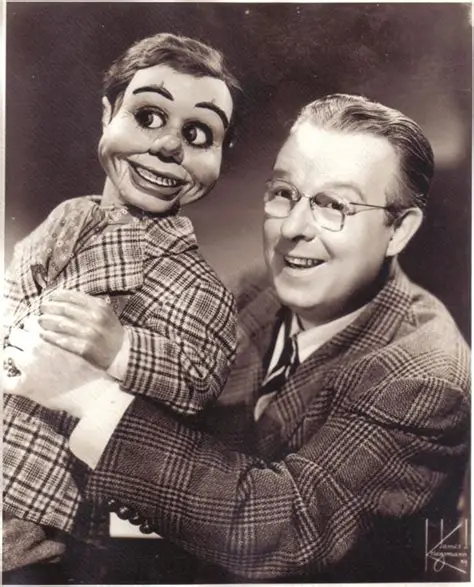
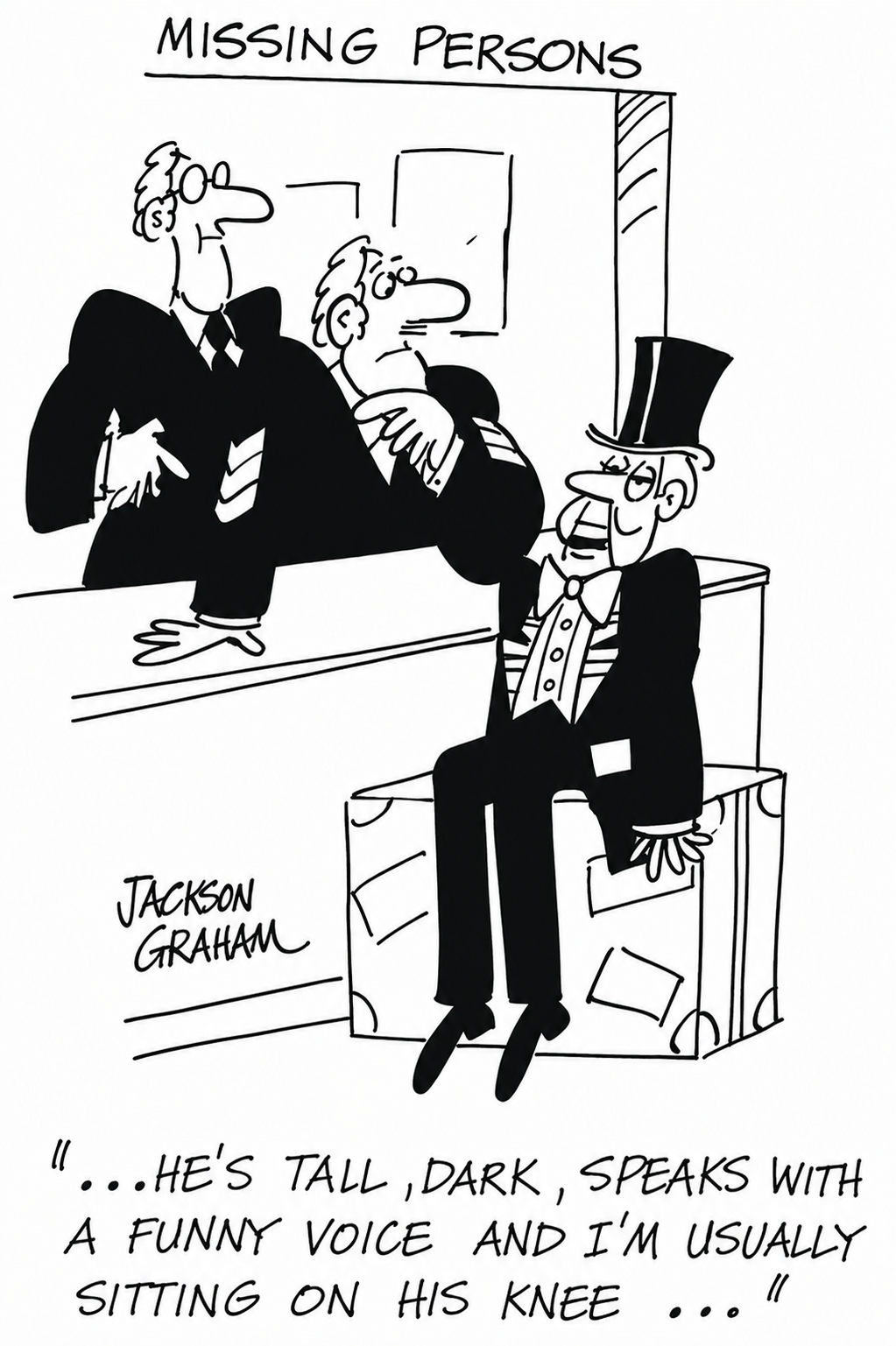
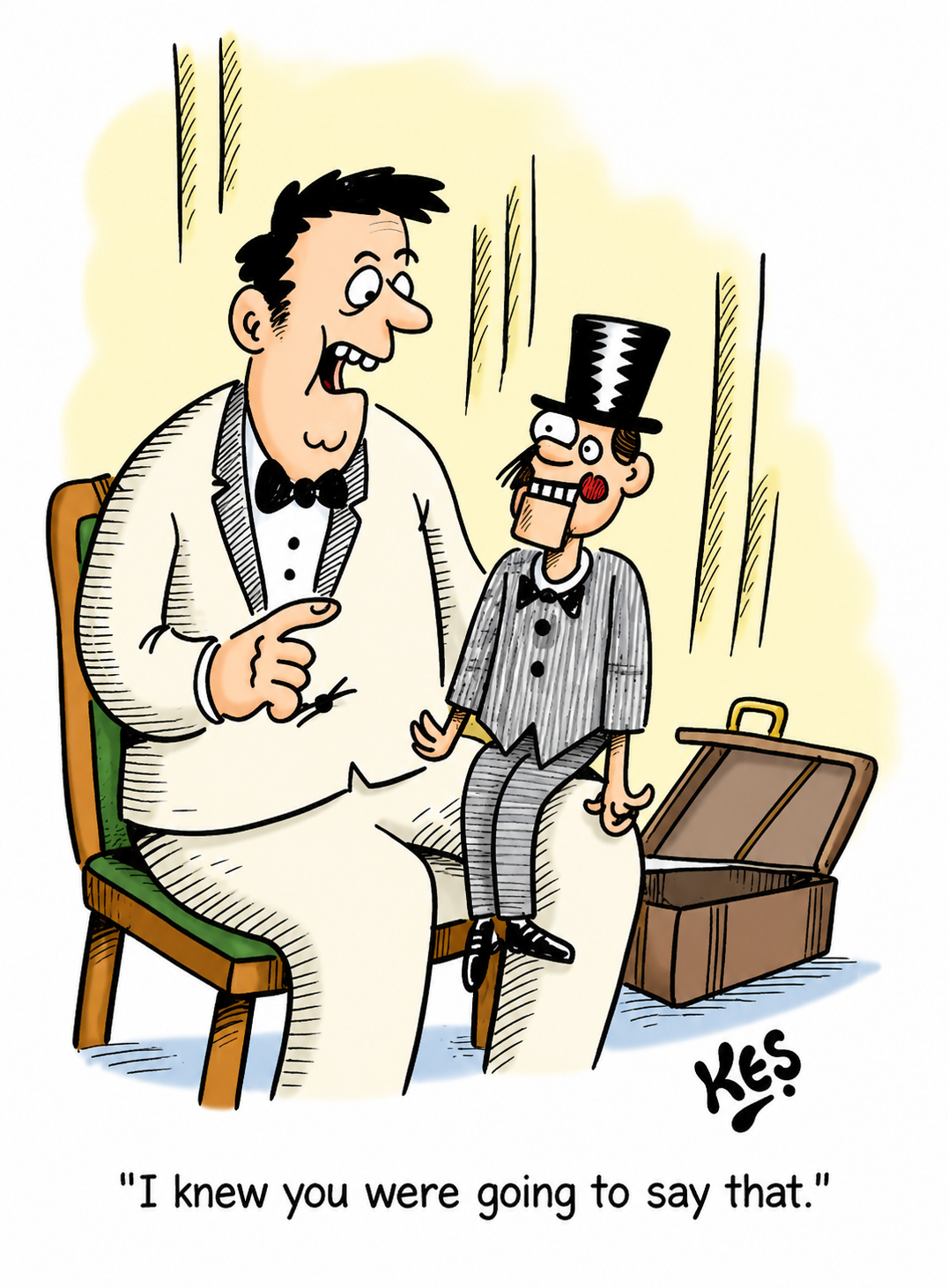
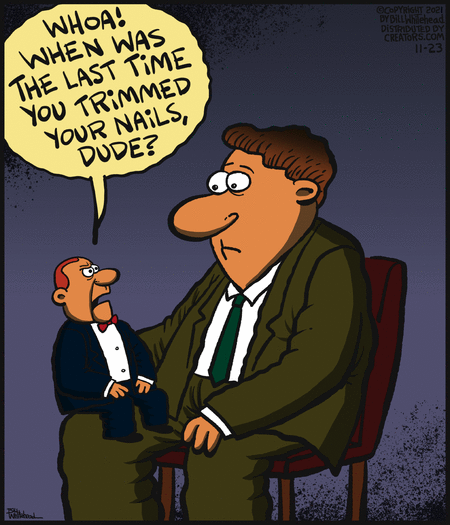
I have always seen the art of ventriloquism as something eerie, uncomfortable to watch. The fact of not seeing the person move their lips, but the puppet chatting away in a clear, intelligible voice, remits to the movie The Exorcist. Furthermore, the appearance of these puppets is, to say the least, disturbing. They look like Chuckie's family, but all dressed up to go to Sunday school. So, if somebody ever invited me to go watch a ventriloquist perform, my answer would be 'No thanks, I think I'll pass.'
As it turns out, my instinct to equate ventriloquism with demonic possession isn't just dramatic hyperbole—it’s historically accurate.
Long before these wooden mouthpieces were dressed in miniature tuxedos to entertain children, ventriloquism was rooted in ritual, mysticism, and dark spiritualism. The word itself originates from the Latin ventriloquus, meaning "speaking from the belly." In ancient Greece, practitioners were called engastrimyths—people believed to have spirits living inside their stomach. Oracle priestesses and shamans used belly-speaking to convince frightened onlookers that the dead, or spirits from the underworld, were speaking through them to foretell the future.
By the Middle Ages, the craft took an even darker turn. Unsurprisingly, making voices bounce around a room without moving your lips didn't go over well with medieval authorities. Ventriloquists were frequently accused of witchcraft, necromancy, and outright demonic possession.
It wasn't until the 18th century that ventriloquists decided to rebrand from "terrifying dark sorcerer" to "stage magician." To prove they weren't actually channeling the dead, performers began using physical props—first small dolls, and eventually the glass-eyed wooden dummies we know today. They effectively traded accused demonic possession for stage comedy, though looking at those grinning wooden faces, one has to wonder if we were really any safer.
I have always thought ventriloquism is scary and uncomfortable to watch. A person speaks without moving their lips, but the puppet talks clearly. This reminds me of horror movies. Also, the puppets look creepy. They look like scary monsters dressed up in nice clothes. So, if someone asks me to go to a ventriloquist show, I will say, "No, thank you!"
In fact, thinking that ventriloquism is connected to dark spirits is actually historically true.
A long time ago, ventriloquism was not for entertainment. It was part of old rituals and magic. The word comes from Latin and means "speaking from the stomach." In ancient Greece, people believed that performers had spirits inside their bodies. Religious leaders used this skill to make scared people believe that dead spirits were talking to them.
In the Middle Ages, things got worse. People in power did not like it when someone made voices without moving their lips. Ventriloquists were often accused of doing dark magic and bad witchcraft.
Finally, in the 1700s, ventriloquists changed their image. They wanted to show they were just stage artists, not scary magicians. To prove this, they started using small dolls, which later became the wooden puppets we see today. They turned a scary superstition into funny comedy. However, when you look at those strange wooden faces, they still look a bit scary!
The Puppet Maker
Meet 80-year-old Brian, one of the last craftsmen who hand-carves professional wooden ventriloquist puppets. After losing everything in the 1980s, Brian turned his childhood hobby into a stellar career—opening for legends like Eddie Murphy and Dolly Parton. Today, he is still performing on cruise ships, refusing to let the curtain fall!
Song: Suzanna Vega - Tom's Diner
Suzanne Vega’s iconic 1987 track "Tom’s Diner" originated as a simple, atmospheric acapella snapshot of a quiet rainy morning in New York City. Written while Vega was a student, the lyrics describe her observing ordinary moments—a cup of coffee, a passing stranger, the morning paper—at Tom’s Restaurant, a real diner on the corner of 112th Street and Broadway (later made famous by the TV show Seinfeld).
What makes the song's backstory unique is its journey through pop culture and technology:
👉 The Original Acoustic Track: Released with no instruments—just Vega’s dry, rhythmic vocal—it captured a slice-of-life intimacy that struck a chord with listeners worldwide.
👉 The "Mother of the MP3": Audio engineer Karlheinz Brandenburg chose Vega's smooth, unvarnished vocals as the baseline reference track to refine the MP3 compression algorithm, earning her the title "Mother of the MP3."
👉 The Hit Remix: In 1990, British dance group DNA remixed the song without authorization, overlaying a dance beat from Soul II Soul. Vega loved the remix so much that she approved its commercial release, turning her reflective folk poem into a global club hit.
The Bum
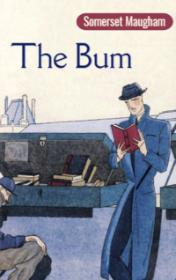
Can You Imagine Having "Too Much" Time?
For years, this man has had absolutely no free time. He cannot spend even a single extra minute on himself.
Most people enjoy a variety of hobbies. Some like riding horses, while others prefer playing cards, tennis, or swimming and sunbathing. But our main character is different. He has been dreaming of just one thing: a day when he can simply sit and do nothing for hours.
Time is our most valuable resource—it is worth much more than money. Because of this, wasting time is often seen as a huge mistake. Even kings and queens cannot afford to waste it.
There is a famous story that Cleopatra once dissolved a priceless pearl in wine just to show her wealth. In this book, our main character wants to "dissolve" his time in the same way. Will he succeed in this strange desire?
Before reading
Hard words: stopping, surrounded, refused, moved, passed, backed, tearing, circled, brushed, worked, singlet, wretchedness, offal, rested, exhibited, sunk, lit, held, stepped, examined, attracted, perched, turned, recalled, tied, siesta, alms, disappeared, remembered, cupola
📚ePub: download
Jokes